Urban Biodiversity
Sustainable cities should consider both human and wildlife.
Did you know?
Birds often cannot recognise reflective glass as a barrier because they see reflections of trees and sky instead of solid surfaces.
When we think about sustainable cities, we often focus on how urban spaces work for people. For example, reducing energy use, managing resources, and creating comfortable places to live and work. But cities are also shared with other species.
The story of ADM reminds us that a design can solve one environmental challenge while unintentionally creating another. Looking at sustainability from a biodiversity perspective means asking not only “Does this work for people?”, but also “How might this space affect the species that share it with us?” This shift in perspective can change how we observe, design and make decisions in our urban environments.
Explore more below if you’re interested.
Extended content
Project Avigate Report
See bird-collision data and ideas for a bird-friendly campus.
NTU Biodiversity Map
Explore wildlife hotspots and green spaces across campus.
NTU Ecosystem Services Assessment
See how campus greenery supports cooling, stormwater retention, and more!
Design Your Bird-Safe Sticker
Try designing a sticker that helps birds see glass.
Try it yourself
Who lives where?
Six of the animals that share the campus with you. Read each clue, then stick the animal on the map where it has been spotted.
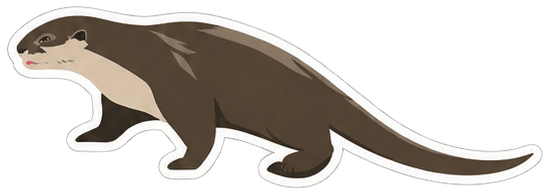
Species 1 of 6
Smooth-coated otter
Otters hunt fish in running water, and travel along canals between ponds, rivers and the sea.
Drag the sticker onto a ring on the map, or tap a ring.
